Author: admin

Success Advanced Payment Processing and POS Technology in the United States: A Growing Industry – Guide

Table of Contents

  • Payment Processing Pos Technology Overview
  • Technology
  • Benefits
  • Future Trends

Payment Processing Pos Technology is becoming increasingly important as payment technology evolves across the United States. Learn more about payment solutions here. Background: payment processing explained.

The payment processing and point-of-sale (POS) technology industries have experienced significant growth in recent years, with the US market being a major player in this sector. As more businesses shift towards digital transactions, the demand for reliable and efficient payment solutions is on the rise. In this article, we will delve into the current state of payment processing and POS technology in the United States, exploring key trends, challenges, and innovations.

The Rise of Mobile Payments

Mobile payments have become increasingly popular in recent years, with consumers favoring the convenience and speed they offer. Apple Pay, Google Pay, and Samsung Pay are just a few examples of mobile payment services that allow users to make transactions using their smartphones. According to a report by PYMNTS.com, 63% of US consumers prefer mobile payments over traditional methods.

The Importance of Payment Gateway Security

Payment gateway security is a top concern for businesses processing transactions online. With the rise of cyberattacks and data breaches, it’s essential for payment gateways to implement robust security measures to protect sensitive customer information. This includes implementing encryption technologies, conducting regular security audits, and complying with relevant regulations such as PCI-DSS.

The Impact of Cloud-based POS Platforms

Cloud-based POS platforms have revolutionized the way businesses manage their point-of-sale operations. These platforms offer a range of benefits, including scalability, flexibility, and cost-effectiveness. With cloud-based POS solutions, businesses can easily access and manage customer data, process transactions, and analyze sales performance from anywhere.

Payment Processing Pos Technology

Contactless Payments: The Future of Payment Processing

Contactless payments are becoming increasingly popular in the US market, with more consumers opting for this method due to its convenience and speed. Contactless payment solutions such as Apple Pay, Google Pay, and Samsung Pay allow users to make transactions without needing to physically insert their card or use cash.

The Rise of Digital Payments: Trends and Insights

Digital payments are on the rise in the US market, with more consumers turning to online banking and mobile payments. According to a report by JPMorgan Chase, digital payments accounted for 44% of total payment volume in 2020, up from 34% in 2017. This trend is expected to continue, with more businesses adopting digital payment solutions to improve their customer experience.

Challenges and Opportunities: The Future of Payment Processing

Despite the growth and innovation in the payment processing industry, there are still challenges that need to be addressed. One major concern is the increasing risk of cyberattacks and data breaches, which can have serious consequences for businesses and consumers alike. However, with the rise of digital payments and cloud-based POS platforms, opportunities for innovation and growth exist. Businesses that adapt to these trends and invest in robust security measures will be better positioned to succeed in this rapidly evolving market.

In conclusion, payment processing and POS technology in the United States are experiencing significant growth and innovation. With the rise of mobile payments, digital payments, and cloud-based POS platforms, businesses must stay ahead of the curve to remain competitive. By understanding key trends and challenges, businesses can make informed decisions about their payment solutions and position themselves for success in this rapidly evolving market.

Payment Processing Pos Technology continues to shape the future of merchant services, payment processing, and POS technology across businesses nationwide.

Payment Processing Pos Technology solutions continue to evolve as businesses adopt advanced POS systems and integrated payment technologies.

Modern Payment Processing Pos Technology platforms provide merchants with improved transaction security, faster processing, and better analytics.

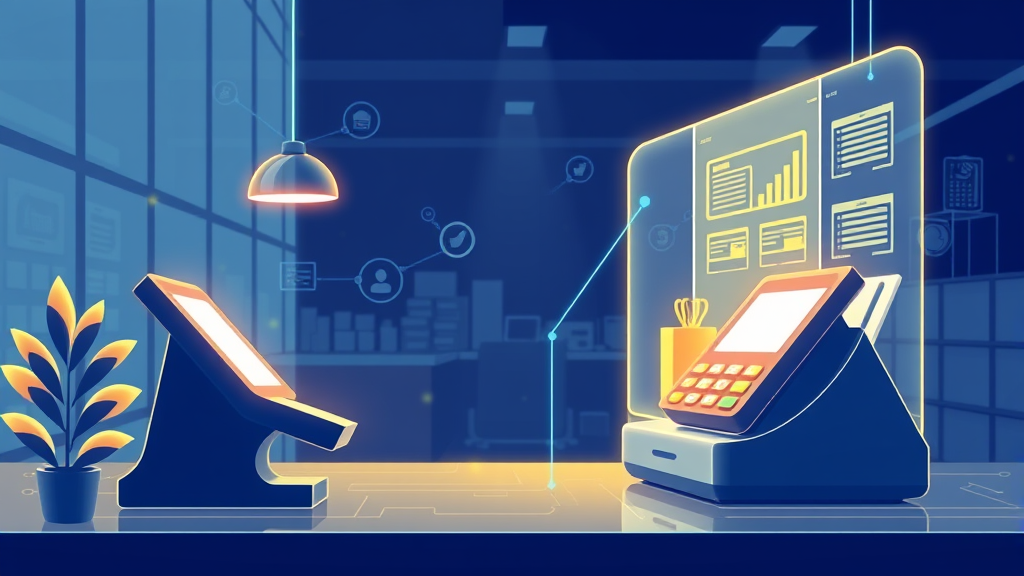
Powerful The Evolution of Merchant Services, POS Systems, and Payment Processing in the US Mark – Insights

Table of Contents

  • Evolution Merchant Services Pos Overview
  • Technology
  • Benefits
  • Future Trends

Evolution Merchant Services Pos Overview

Evolution Merchant Services Pos is becoming increasingly important as payment technology evolves across the United States. Learn more about payment solutions here. Background: payment processing explained.

The United States has undergone significant changes in its payment landscape over the past decade. The rise of fintech companies, advancements in technology, and shifting consumer behaviors have led to a modernization of merchant services, point-of-sale (POS) systems, and payment processing methods.

Emerging Trends in Digital Payments

Digital payments are becoming increasingly popular in the US market. According to a report by Paychex, digital payments accounted for 44% of all payments made in 2022, up from 29% in 2018. This trend is expected to continue, with more consumers opting for contactless and mobile payment methods.

One notable example is the integration of cryptocurrency payments into mainstream commerce. Companies like Crypto.com are partnering with traditional merchants to offer cryptocurrency payment options, making it easier for consumers to pay using digital assets.

Cloud-based POS Platforms and Their Role in Merchant Services

Cloud-based POS platforms have revolutionized the way businesses manage their transactions. These platforms provide a range of benefits, including increased flexibility, scalability, and security. They also enable merchants to easily process payments, manage inventory, and analyze sales data.

A study by IBM found that 75% of retailers prefer cloud-based POS systems due to their flexibility and scalability. Moreover, the use of cloud-based POS platforms has reduced the need for physical payment terminals, making it easier for businesses to accept online payments.

Security and Compliance: Key Considerations for Merchant Services

Security and compliance are critical considerations for merchant services in the US market. The Payment Card Industry Data Security Standard (PCI DSS) sets strict guidelines for merchants to protect sensitive customer data. Merchants must also comply with regulations such as the Gramm-Leach-Bliley Act (GLBA) and the Fair Credit Billing Act (FCBA).

Evolution Merchant Services Pos

To ensure compliance, merchants can implement security measures such as encryption, secure tokenization, and multi-factor authentication. They can also use third-party services that specialize in payment processing and risk management.

Key Factors Businesses Should Evaluate When Choosing a Payment Processing Solution

When choosing a payment processing solution, businesses should consider several key factors. These include the cost of processing transactions, the level of customer support provided, and the security measures implemented to protect sensitive data.

Businesses must also evaluate the flexibility and scalability of the payment processing solution. They need to ensure that the solution can handle increased volumes of transactions without compromising performance or reliability.

The Future of Payment Processing: Emerging Trends and Technologies

The future of payment processing in the US market is rapidly evolving. Emerging trends and technologies such as artificial intelligence (AI), blockchain, and the Internet of Things (IoT) are set to transform the way businesses accept payments.

For example, AI-powered chatbots can be used to provide customer support and simplify the payment process. Blockchain technology can be used to create secure and transparent payment systems that reduce the risk of fraud and disputes.

Conclusion

The US market for merchant services, POS systems, and payment processing is experiencing significant changes driven by emerging trends and technologies. As businesses continue to evolve and adapt to changing consumer behaviors, it is essential to stay informed about the latest developments in this space. By understanding the key factors that influence payment processing decisions, businesses can make informed choices that support their growth and success.

Evolution Merchant Services Pos continues to shape the future of merchant services, payment processing, and POS technology across businesses nationwide.

Evolution Merchant Services Pos solutions continue to evolve as businesses adopt advanced POS systems and integrated payment technologies.

Modern Evolution Merchant Services Pos platforms provide merchants with improved transaction security, faster processing, and better analytics.

Winning Advanced The Evolution of Payment Processing in the US: Merchant Services, POS Systems, and Bey – Strategy

Table of Contents

  • Evolution Payment Processing Merchant Overview
  • Technology
  • Benefits
  • Future Trends

Evolution Payment Processing Merchant is becoming increasingly important as payment technology evolves across the United States. Learn more about payment solutions here. Background: payment processing explained.

The payment processing landscape in the United States is undergoing significant transformations. The rise of fintech companies, advancements in technology, and changing consumer behavior are driving innovation in merchant services, point-of-sale (POS) systems, and payment processing. This article explores the latest trends, key factors to consider, and emerging technologies shaping the future of payments.

Modern Merchant Services: Key Considerations for Businesses

Merchant services play a vital role in facilitating transactions between businesses and consumers. When evaluating merchant services, businesses must consider several key factors, including payment processing fees, security measures, and data analytics capabilities. Effective merchant services can improve approval rates, reduce fraud and chargebacks, and enhance the overall customer experience.

Payment Processing Fees: A Growing Concern

Payment processing fees are a major concern for merchants, as they can eat into profit margins and affect competitiveness. As consumers increasingly expect seamless and secure transactions, businesses must carefully evaluate payment processing fees to ensure they remain competitive in the market. Look for merchant services that offer transparent fee structures, competitive rates, and flexible pricing options.

POS Systems: A Catalyst for Innovation

Point-of-sale systems are not just limited to processing transactions; they have evolved into powerful tools for businesses to manage operations, inventory, and customer data. Modern POS systems often integrate with merchant services, enabling real-time insights into sales trends, customer behavior, and profitability. As technology advances, we can expect to see more sophisticated POS systems that leverage artificial intelligence (AI) and machine learning (ML) to drive business decisions.

Cloud-based POS Platforms: A Growing Trend

Cloud-based POS platforms are gaining traction as businesses seek to simplify their operations, reduce costs, and improve scalability. These platforms offer a range of benefits, including seamless integration with merchant services, real-time analytics, and improved customer experience. With the rise of cloud-based solutions, merchants can expect more flexibility and adaptability in managing their point-of-sale systems.

Emerging Trends in Digital Payments

Evolution Payment Processing Merchant

The digital payments landscape is rapidly evolving, with emerging trends such as contactless payments, mobile wallets, and cryptocurrencies gaining traction. As consumers increasingly prefer contactless transactions, businesses must be prepared to adapt to new payment methods and technologies. Additionally, the rise of cryptocurrencies presents both opportunities and challenges for merchants, who must navigate regulatory frameworks and ensure compliance.

Contactless Payments: The Future of Transactions

Contactless payments are becoming increasingly popular as consumers seek convenience and speed in transactions. With contactless payments, businesses can offer seamless experiences that reduce wait times, improve customer satisfaction, and increase sales. As technology advances, we can expect to see more widespread adoption of contactless payment methods, driving innovation in merchant services and POS systems.

Security and Compliance: Top Priorities for Businesses

Security and compliance are top priorities for businesses when it comes to payment processing. Effective security measures must protect sensitive consumer data, prevent unauthorized transactions, and ensure regulatory compliance. With the rise of advanced threats and data breaches, merchants must invest in robust security solutions that provide real-time monitoring, threat detection, and incident response capabilities.

Data Analytics: Unlocking Insights for Business Growth

Data analytics is a powerful tool for businesses to gain insights into customer behavior, sales trends, and profitability. By leveraging merchant services and POS systems, businesses can unlock valuable data that drives business growth, improves operational efficiency, and enhances the overall customer experience.

Conclusion: The Future of Payment Processing in the US

The payment processing landscape in the United States is undergoing significant transformations, driven by innovation, technological advancements, and changing consumer behavior. As merchants evaluate merchant services, POS systems, and emerging technologies, it’s essential to consider key factors such as security measures, data analytics capabilities, and compliance requirements. By embracing these trends and innovations, businesses can unlock new opportunities for growth, improvement, and competitiveness in the market.

Evolution Payment Processing Merchant continues to shape the future of merchant services, payment processing, and POS technology across businesses nationwide.

Evolution Payment Processing Merchant solutions continue to evolve as businesses adopt advanced POS systems and integrated payment technologies.

Modern Evolution Payment Processing Merchant platforms provide merchants with improved transaction security, faster processing, and better analytics.
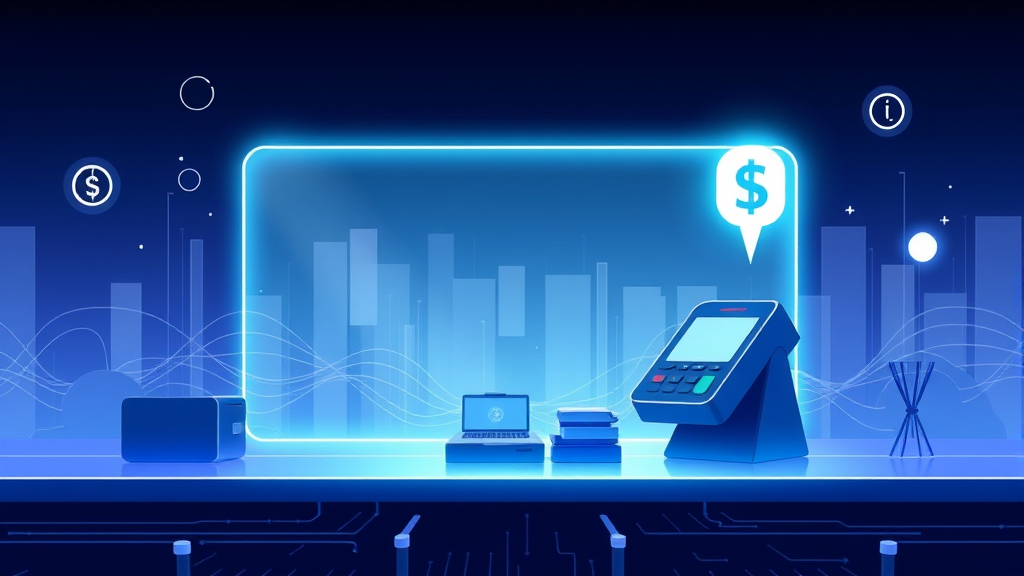
Essential Merchant Services, POS Systems, and Payment Processing in the United States: A Comprehensive – Guide

Table of Contents

  • Merchant Services Pos Systems Overview
  • Technology
  • Benefits
  • Future Trends

Merchant Services Pos Systems Overview

Merchant Services Pos Systems is becoming increasingly important as payment technology evolves across the United States. Learn more about payment solutions here. Background: payment processing explained.

The payment processing industry in the United States is a complex ecosystem that involves multiple stakeholders, including merchants, fintech firms, and financial institutions. Merchant services, point of sale (POS) systems, and payment processing are critical components of this ecosystem, and their integration can have a significant impact on the overall efficiency and profitability of merchant operations.

This article provides an in-depth examination of the key aspects of merchant services, POS systems, and payment processing in the United States, including the latest trends, technologies, and innovations that are shaping the industry.

The Evolution of Payment Processing in the US

Payment processing has undergone significant changes in recent years, driven by advances in technology, changing consumer behavior, and increasing regulatory requirements. The rise of mobile payments, contactless transactions, and digital wallets has transformed the way consumers make payments, while fintech firms have disrupted traditional payment processes with new, innovative solutions.

The Increasing Importance of Merchant Services

Merchant services are a critical component of payment processing, providing merchants with access to various payment-related products and services. These services can include payment processing, credit card services, and cash management, among others. The importance of merchant services lies in their ability to provide merchants with the tools and resources needed to manage their payment operations efficiently.

The Role of POS Systems in Payment Processing

POS systems are an essential component of payment processing, providing merchants with a platform to process transactions, manage customer data, and track sales performance. Modern POS systems are increasingly sophisticated, incorporating advanced technologies such as artificial intelligence (AI), machine learning (ML), and the Internet of Things (IoT).

The Impact of Payment Processing on Merchant Operations

Payment processing has a significant impact on merchant operations, affecting everything from cash flow management to inventory control. Merchants that have optimized their payment processes can improve efficiency, reduce costs, and enhance customer satisfaction.

The Latest Trends in Merchant Services, POS Systems, and Payment Processing

Merchant Services Pos Systems

The payment processing industry is constantly evolving, driven by advances in technology and changing consumer behavior. Some of the latest trends include:

  • The rise of mobile payments and contactless transactions
  • The increasing importance of data analytics and insights in payment processing
  • The growth of fintech firms and their impact on traditional payment processes
  • The emergence of new payment technologies, such as blockchain and cryptocurrencies

The Benefits of Unified Payment Platforms

Unified payment platforms are designed to simplify payment processes by consolidating multiple payment-related services into a single platform. These platforms offer merchants a range of benefits, including improved efficiency, reduced costs, and enhanced customer satisfaction.

Visa and Fiserv Roll Out Unified Payments Platform in Europe

In April 2025, Visa and Fiserv announced the roll-out of their unified payments platform in Europe, aimed at simplifying payment processes across multiple markets. The platform offers a single integration point into Visa’s acceptance services, consolidating access to authorization, data enrichment, and network connectivity within a cloud-native environment.

The Impact on Merchants

The new platform is expected to have a significant impact on merchants in the EU, providing them with improved approval rates, reduced settlement complexity, and streamlined checkout experiences. The platform also offers merchants greater flexibility and scalability, enabling them to manage their payment operations more efficiently.

Conclusion

Merchant services, POS systems, and payment processing are critical components of the payment processing ecosystem in the United States. As the industry continues to evolve, driven by advances in technology and changing consumer behavior, it is essential for merchants to stay informed about the latest trends, technologies, and innovations that can help them optimize their payment processes and improve efficiency.

By understanding the key aspects of merchant services, POS systems, and payment processing, merchants can make more informed decisions about their payment operations and improve their overall profitability.

Merchant Services Pos Systems continues to shape the future of merchant services, payment processing, and POS technology across businesses nationwide.

Why Merchant Services Pos Systems Matters for Businesses

Businesses rely on modern payment infrastructure to manage transactions efficiently.

The Evolution of Merchant Services: A Look at Payment Technology Trends and Innovations – Guide

The Evolution Of Merchant Services A Overview

The Evolution Of Merchant Services A — Background: payment processing explained.

Summary:

The merchant services industry has undergone significant changes in recent years, driven by advances in payment technology. This article explores the latest trends and innovations in merchant services, payment processing, and point-of-sale systems.

Publication Date:

February 10, 2023

Overview of Merchant Services

—————————–

Merchant services refer to the various financial products and services offered to businesses to facilitate transactions and manage cash flow. These services include payment processing, credit card terminal solutions, POS systems, and more. The merchant services industry plays a critical role in enabling businesses to accept payments from customers.

Advancements in Payment Technology

——————————–

The payment technology landscape has undergone significant changes in recent years, with the rise of digital payments and contactless transactions. Some of the key advancements in payment technology include:

### Mobile Payments

Mobile payments have become increasingly popular, with many consumers opting for mobile devices to make payments. This trend is driven by the growing use of smartphones and tablets, as well as the increasing availability of mobile payment apps such as Apple Pay and Google Pay.

### Contactless Payments

Contactless payments refer to transactions that are made without the need for a physical card or cash transaction. This type of payment is becoming increasingly popular, with many consumers opting for contactless payment methods such as tap-to-pay cards and smartwatches.

### Artificial Intelligence (AI) in Payment Technology

Artificial intelligence (AI) is being increasingly used in payment technology to improve efficiency and reduce costs. AI-powered systems can analyze transaction data and identify patterns, helping businesses to detect potential security threats and prevent fraud.

Innovations in Merchant Services

———————————

The merchant services industry has seen significant innovations in recent years, including:

### Cloud-Based POS Systems

Cloud-based POS systems offer a range of benefits for businesses, including increased flexibility and scalability. These systems can be accessed from anywhere, at any time, using a mobile device or computer.

The Evolution Of Merchant Services A

### Point-of-Sale (POS) Integration with E-commerce Platforms

Many e-commerce platforms now integrate with POS systems, allowing businesses to manage their online and offline sales channels in a single platform. This integration enables businesses to track inventory levels, manage orders, and optimize stock levels more effectively.

### Payment Gateway Security

Payment gateway security is becoming an increasingly important issue for merchants, as hackers continue to target vulnerable payment systems. Merchants can take steps to improve the security of their payment gateways by implementing robust encryption protocols and regularly updating software and firmware.

Trends in Merchant Services

—————————–

The merchant services industry is experiencing significant trends in recent years, including:

### Increased Adoption of Digital Payments

Digital payments are becoming increasingly popular, with many consumers opting for digital payment methods such as credit cards, debit cards, and mobile payments. This trend is driven by the growing use of smartphones and tablets, as well as the increasing availability of digital payment apps.

### Rise of Alternative Payment Methods

Alternative payment methods, such as Bitcoin and other cryptocurrencies, are becoming increasingly popular. These alternative payment methods offer a range of benefits for businesses, including increased security and reduced transaction costs.

### Growing Importance of Customer Data

Customer data is becoming increasingly important for merchants, who need to manage customer information effectively in order to provide excellent customer service. Merchants can use data analytics tools to track customer behavior, identify trends, and optimize marketing campaigns more effectively.

Conclusion

———-

The merchant services industry has undergone significant changes in recent years, driven by advances in payment technology. The latest trends and innovations in merchant services include the adoption of digital payments, the rise of alternative payment methods, and the growing importance of customer data. As merchants continue to navigate an increasingly complex payment landscape, it is essential that they stay up-to-date with the latest developments and best practices.

Recommendations for Merchants

——————————

Merchants can take a range of steps to improve their merchant services, including:

  • Implementing robust encryption protocols to protect payment data
  • Regularly updating software and firmware to prevent security breaches
  • Using data analytics tools to track customer behavior and optimize marketing campaigns
  • Investing in digital payments solutions to increase efficiency and reduce costs

By following these recommendations and staying up-to-date with the latest developments in merchant services, businesses can improve their competitiveness and stay ahead of the curve.

The Evolution Of Merchant Services A continues to evolve as businesses adopt better payment processing and POS solutions across the United States.

modern payment processing continues to evolve as businesses adopt better payment processing and POS solutions across the United States.

How SaviorPay POS Helps Reduce Operational Costs Without Compromising Quality

Running a successful business means balancing expenses while delivering excellent customer experiences. Operational costs—such as labor, inventory, and payment processing—can add up quickly, eating into profits. SaviorPay POS offers powerful tools to help you streamline operations, cut unnecessary expenses, and maximize efficiency without sacrificing quality.

Here’s how SaviorPay POS can make a difference in your bottom line.


1. Streamlined Payment Processing

Payment processing fees are often one of the biggest hidden costs for businesses. SaviorPay POS helps you save by offering competitive processing rates and transparent pricing.

How it works:

  • Lower Fees: Save money on every transaction compared to traditional processors.
  • Faster Processing: Reduce the time it takes for payments to clear, improving cash flow.
  • Integrated Solutions: Eliminate the need for multiple payment systems, reducing software expenses.

Every dollar saved on payment processing goes straight back to your business.


2. Optimized Staff Scheduling

Labor costs are a significant portion of operating expenses. SaviorPay POS includes scheduling tools that help you optimize your workforce while avoiding overstaffing or understaffing.

Features include:

  • Sales Forecasting: Use historical sales data to predict busy periods and schedule accordingly.
  • Time Clock Integration: Track employee hours directly through the POS system to ensure accurate payroll.
  • Performance Tracking: Identify top-performing staff to reward productivity and reduce inefficiencies.

Efficient scheduling ensures you’re paying for the staff you need—nothing more, nothing less.


3. Inventory Waste Reduction

Excess inventory and spoilage can drain profits. SaviorPay POS offers advanced inventory tracking tools to reduce waste.

How it helps:

  • Set low-stock alerts to prevent overordering.
  • Use sales reports to identify slow-moving items and adjust purchasing.
  • Manage perishable goods with expiration tracking.

By keeping your inventory lean and focused on high-demand products, you free up capital and reduce losses.


4. Automation Reduces Administrative Costs

Manual tasks take time and money. SaviorPay POS automates key functions, allowing you and your team to focus on growing your business.

Automated Features:

  • Daily sales reports sent to your inbox.
  • Integrated tax calculation for accurate reporting.
  • Digital receipts to save on paper and printer costs.

Automation not only saves you time but also minimizes errors that can lead to costly mistakes.


5. Energy and Space Efficiency

The sleek, all-in-one design of SaviorPay POS reduces the need for bulky hardware and excessive energy use.

Advantages:

  • Less equipment to maintain or replace.
  • Lower utility costs due to energy-efficient design.
  • Space-saving setups free up room for customer-facing activities.

A simpler workspace often means a more productive and cost-effective business.


6. Enhanced Customer Retention

Customer retention is one of the most cost-effective ways to grow your business. SaviorPay POS helps you keep customers coming back, reducing the need for costly new customer acquisition efforts.

Key Features:

  • Loyalty programs that encourage repeat visits.
  • Personalized promotions based on purchase history.
  • Superior customer experiences with faster, smoother checkouts.

Happy, loyal customers spend more and save you the expense of constantly finding new ones.


7. Cloud-Based Solutions Save on IT Costs

Traditional POS systems often require costly on-site servers and IT maintenance. SaviorPay POS operates on a cloud-based platform, cutting these expenses significantly.

Benefits:

  • No need for expensive hardware upgrades.
  • Automatic software updates keep your system running smoothly.
  • Access data remotely without additional IT infrastructure.

Cloud solutions are cost-effective, scalable, and reliable, making them ideal for businesses of all sizes.


8. Real-Time Data Insights Drive Smarter Decisions

Making uninformed decisions can lead to unnecessary expenses. SaviorPay POS provides real-time data and insights that help you identify inefficiencies and make strategic changes.

Examples:

  • Adjust pricing based on profit margins and demand.
  • Shift marketing budgets to focus on your best-selling items.
  • Reduce waste by analyzing daily sales trends.

Data-driven decisions ensure you’re spending money where it matters most.


Case Study: Mark’s Café

Mark runs a bustling café but was struggling with high operating costs. After switching to SaviorPay POS, he:

  • Cut labor costs by 15% using sales-based scheduling.
  • Reduced inventory waste by 20% with low-stock alerts and sales trends.
  • Saved hundreds each month on payment processing fees.

Mark reinvested these savings into improving his menu and expanding his outdoor seating area, driving further growth.


Getting Started with SaviorPay POS to Reduce Costs

Follow these steps to start saving today:

  1. Analyze Your Current Costs: Use SaviorPay POS reports to identify high-cost areas.
  2. Set Goals: Define how much you want to save and where (e.g., inventory, labor, processing fees).
  3. Leverage Automation: Take advantage of SaviorPay POS’s automated features to save time and money.
  4. Track Progress: Regularly review reports to ensure you’re on track to meet your cost-saving goals.

Final Thoughts

SaviorPay POS is more than a payment system—it’s a tool to help you run your business smarter, not harder. By reducing unnecessary expenses and maximizing efficiency, you can boost profitability while maintaining the quality your customers expect.

Ready to cut costs and grow your business? SaviorPay POS makes it possible without compromise.